



Among the Given Nutrients Milk Is a Poor Source Of? (The Simple Answer Every NEET Student Should Know)

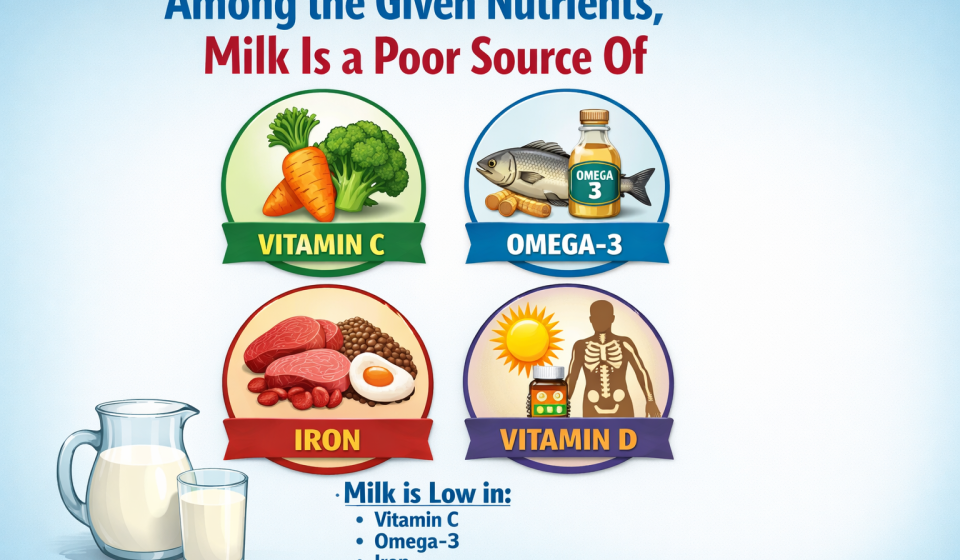
Among the given nutrients milk is a poor source of Vitamin C.
Most exam-takers expect a direct answer when they take competitive exams such as the NEET exam or any other biology or chemistry testing level (For example: Board tests). For example, if asked “Of the following nutrients – “what nutrient does milk provide the least amount of,” the correct answer will always be – “Vitamin C.”
Table Of Content
- 🔑 Key Highlights
- 🥛 Understanding Milk as a Nutritional Food
- ❓ Among the Given Nutrients Milk Is a Poor Source Of
- 1️⃣ Very Low Natural Vitamin C Content
- 2️⃣ Heat Processing Destroys Vitamin C
- 3️⃣ Milk’s Nutritional Role Is Different
- 🍊 Where Do You Actually Get Vitamin C?
- Best Vitamin C Sources
- 📚 Why This Question Appears Frequently in NEET Exams
- 🎓 Easy Trick to Remember for Exams
- 🧪 Scientific Composition of Milk
- 👨🎓 Real-Life Example Students Can Relate To
- 📖 Related Concepts You Should Know
- 1️⃣ Milk Is Rich In
- 2️⃣ Milk Is Poor In
- 🔗 Helpful Study Resources for NEET Students
- 🧠 Best Study Strategy for Nutrition Questions
- ⚠️ Common Mistakes Students Make
- 🌍 Why Nutrition Knowledge Matters Beyond Exams
- 💡 Quick Revision Summary
- ✅ Conclusion
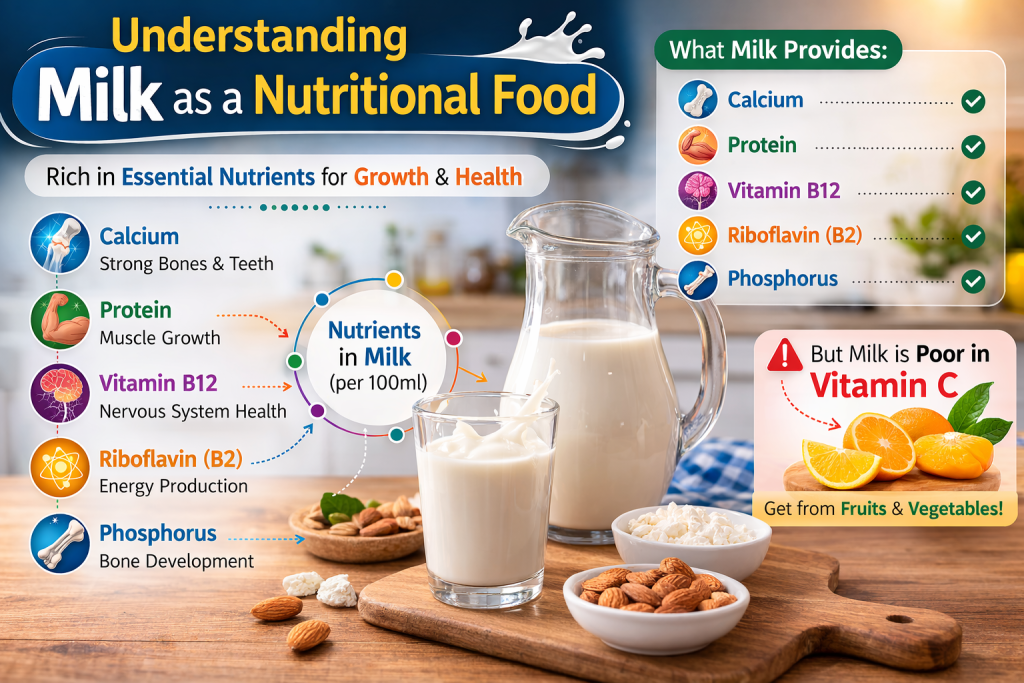
Milk is full of various nutrients such as calcium, protein, vitamin B12 and riboflavin. However, when discussing Vitamin C, it actually provides very little (Vitamin C) therefore categorising milk as a “poor” source of Vitamin C.
Many students face difficulty believing this is true because most would say that because milk is known as a complete food it contains all the required nutrients from each of the major food groups.
Now let’s simplify this entire sentence so you will be able to quickly and easily remember this information on the exam or in life when trying to remember about proper nutrition.
🔑 Key Highlights
- Among the given nutrients milk is a poor source of Vitamin C
- Milk contains high calcium, protein, and Vitamin B12
- Vitamin C mainly comes from fruits and vegetables
- Heating or pasteurizing milk reduces Vitamin C further
- Important concept for NEET Biology and Chemistry exams
- Remember: Milk = Strong bones, not Vitamin C
🥛 Understanding Milk as a Nutritional Food
Milk is often called a balanced food, especially for children and growing teenagers. Nutrition experts recommend milk because it contains many essential nutrients.
According to the World Health Organization, milk and dairy products provide several nutrients required for healthy growth.
Some of the major nutrients found in milk include:
| Nutrient | Function in the Body |
|---|---|
| Calcium | Bone and teeth strength |
| Protein | Muscle growth and repair |
| Vitamin B12 | Nervous system health |
| Riboflavin (Vitamin B2) | Energy production |
| Phosphorus | Bone development |
However, when it comes to Vitamin C, milk does not provide enough.
This is why textbooks and exam questions repeatedly mention that milk poor source of vitamin C.
❓ Among the Given Nutrients Milk Is a Poor Source Of
Let’s answer the core question clearly again.
Among the given nutrients milk is a poor source of → Vitamin C
Here’s why.
1️⃣ Very Low Natural Vitamin C Content
Milk contains only about 1–2 mg of Vitamin C per 100 ml, which is extremely low compared to fruits.
For comparison:
| Food | Vitamin C (per 100 g) |
|---|---|
| Orange | ~53 mg |
| Guava | ~228 mg |
| Lemon | ~53 mg |
| Milk | ~1–2 mg |
As you can see, milk contains almost negligible Vitamin C.
According to USDA nutrition data, milk contributes very little to daily Vitamin C intake.
External reference:
🔗 usda.gov
2️⃣ Heat Processing Destroys Vitamin C
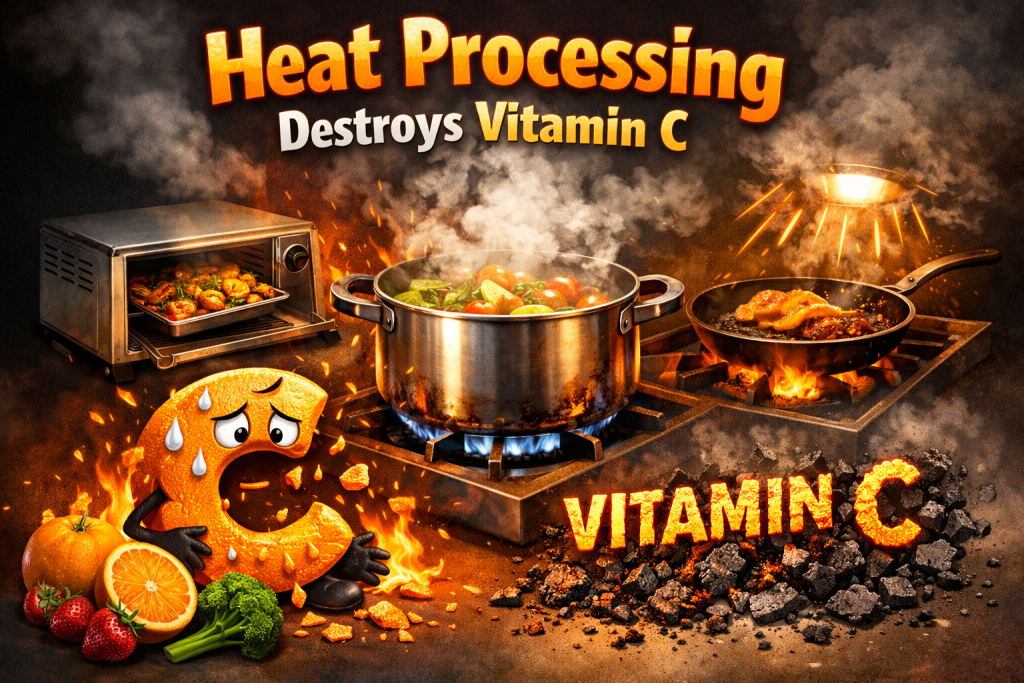
Most milk sold today is pasteurized or boiled.
Vitamin C is heat-sensitive, meaning it breaks down when exposed to heat.
So when milk is processed or boiled:
- Vitamin C decreases further
- Nutritional value for this vitamin becomes even lower
That’s another reason why milk poor source of vitamin C is scientifically accurate.
3️⃣ Milk’s Nutritional Role Is Different
Milk focuses mainly on:
- Bone health
- Growth
- Protein supply
Vitamin C mainly supports:
- Immunity
- Skin health
- Wound healing
Nature distributes nutrients across different foods. That’s why fruits and vegetables provide Vitamin C instead of dairy.
🍊 Where Do You Actually Get Vitamin C?
If milk cannot provide Vitamin C, where should you get it?
The best sources are fruits and vegetables.
Examples include:
Best Vitamin C Sources
- Guava
- Orange
- Lemon
- Strawberry
- Bell peppers
- Broccoli
- Amla (Indian gooseberry)
According to the National Institutes of Health, adults need around 75–90 mg of Vitamin C daily.
Milk alone cannot meet this requirement.
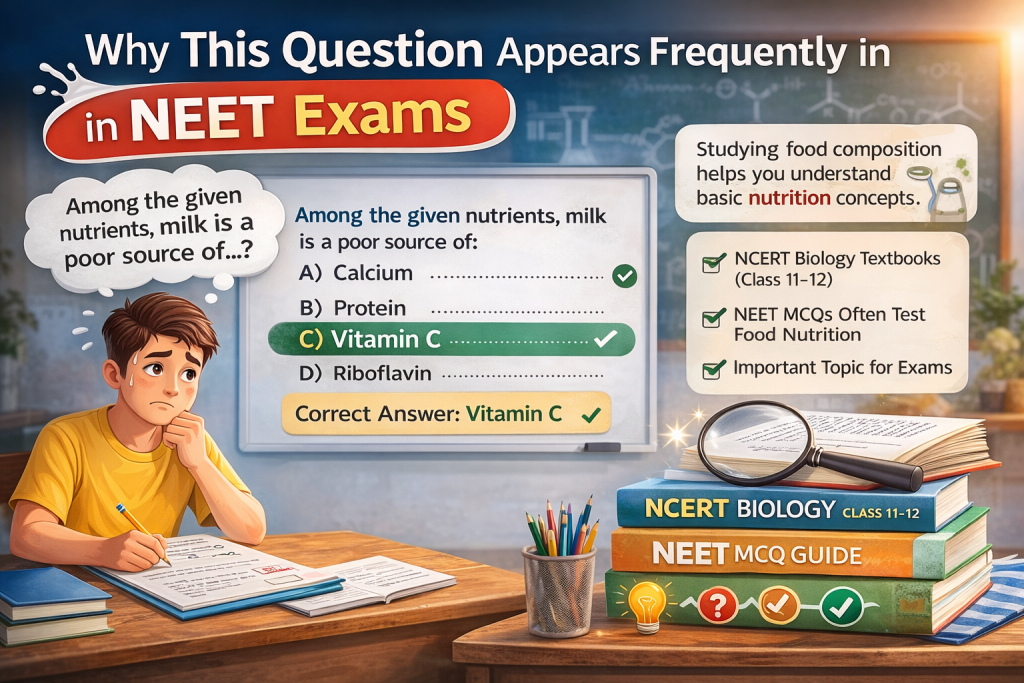
📚 Why This Question Appears Frequently in NEET Exams
Students preparing for NEET often encounter this MCQ.
Example question:
Among the given nutrients milk is a poor source of:
A) Calcium
B) Protein
C) Vitamin C
D) Riboflavin
Correct answer: C) Vitamin C
This question tests whether students understand nutritional composition of foods.
Many biology textbooks used in National Council of Educational Research and Training (NCERT) mention this concept clearly.
🎓 Easy Trick to Remember for Exams
Students often forget nutritional facts during exams.
Use this simple trick:
Milk = Bone nutrients, not immunity nutrients
Meaning:
Milk gives
- Calcium
- Protein
- Vitamin B12
But immunity nutrients like Vitamin C mostly come from fruits.
Another shortcut:
C for Citrus → Vitamin C comes from citrus fruits
Not milk.
🧪 Scientific Composition of Milk
Milk consists of multiple components.
Typical composition of cow milk:
| Component | Percentage |
|---|---|
| Water | 87% |
| Lactose | 5% |
| Fat | 3–4% |
| Protein | 3–4% |
| Minerals | 0.7% |
Vitamin C exists only in trace amounts.
According to dairy research published by the Food and Agriculture Organization, milk’s primary nutritional contribution is calcium and protein, not Vitamin C.
👨🎓 Real-Life Example Students Can Relate To
Imagine a student preparing for NEET who drinks milk daily.
Milk helps with:
- Bone strength
- Muscle repair
- Energy
But if that student eats no fruits or vegetables, they may still develop Scurvy, which occurs due to Vitamin C deficiency.
This proves milk alone cannot supply enough Vitamin C.
📖 Related Concepts You Should Know
Understanding this topic also helps with other exam questions.
1️⃣ Milk Is Rich In
- Calcium
- Protein
- Riboflavin
- Vitamin B12
2️⃣ Milk Is Poor In
- Vitamin C
- Iron
These two nutrients are commonly tested in competitive exams.
🔗 Helpful Study Resources for NEET Students
If you are preparing for medical entrance exams, explore more study materials here:
👉 Internal Resource:
🔗 chennaineet
You can find guides related to:
- NEET Biology preparation
- Chemistry basics
- Important MCQs
- Previous year questions
Related reading:
These resources help students strengthen exam fundamentals.
🧠 Best Study Strategy for Nutrition Questions
Students often memorize facts but forget them quickly.
Instead, connect nutrients to food functions.
Example:
| Food | Main Nutrient |
|---|---|
| Milk | Calcium |
| Citrus fruits | Vitamin C |
| Meat | Protein |
| Carrots | Vitamin A |
Once you understand the logic behind nutrients, you remember answers faster during exams.
⚠️ Common Mistakes Students Make
Students sometimes choose wrong answers because of assumptions.
Typical mistakes include:
- Assuming milk contains all vitamins
- Confusing Vitamin B with Vitamin C
- Ignoring effects of pasteurization
Remember:
Milk is nutritious, but not perfect.
Every food has strengths and limitations.
🌍 Why Nutrition Knowledge Matters Beyond Exams
This topic is not just for exams.
Understanding nutrition helps you make smarter health decisions.
For example:
If someone drinks milk daily but avoids fruits, they may experience:
- Weak immunity
- Slow wound healing
- Fatigue
That happens because Vitamin C is missing.
Balanced diets require multiple food groups, not just dairy.
💡 Quick Revision Summary
Before your exam, remember these points:
- Among the given nutrients milk is a poor source of Vitamin C
- Milk contains very little Vitamin C
- Heat processing reduces it further
- Fruits and vegetables provide Vitamin C
- Important MCQ topic for NEET exams
✅ Conclusion
Among the given nutrients milk is a poor source of Vitamin C.
This simple concept appears frequently in biology and chemistry exams because it highlights an important nutritional truth.
Milk supports bone health, muscle growth, and overall development. However, it cannot supply enough Vitamin C for your body’s needs.
That’s why nutrition experts recommend combining milk with fruits and vegetables to create a balanced diet.
Students preparing for competitive exams should remember this clearly:
👉 Milk = Calcium rich
👉 Milk = Protein rich
👉 Milk = Poor source of Vitamin C
Once you understand the logic behind nutrients, exam questions like this become much easier.
For more NEET preparation guides and exam-focused articles, visit:
🔗 chennaineet
Learning science becomes easier when you connect facts with real life. And once that connection clicks, remembering answers during exams becomes effortless. 😊